


How Distribution Transformers Support Industrial Electrical Systems: A Comprehensive Guide
How Distribution Transformers Support Industrial Electrical Systems Table of Contents 1. Introduction to Distribution Transformers 2. What is a Distribution Transformer? 3. Importance of Distribution Transformers in Industrial Systems 4. Types of Distribution Transformers 5. Key Functionalities and Benefits of Distribution Transformers 6. Applications of Distribution Transformers in I
03
2026
/
10

Understanding Dry-Type Power Transformers: Key Features and Benefits
Dry-type power transformers are essential components in the electrical sector, offering a range of benefits that set them apart from traditional oil-filled transformers. Unlike their oil-based counterparts, dry-type transformers utilize air as the cooling medium, making them a safer and more environmentally friendly option. This design minimizes the risk of fire hazards and eliminates concerns rel
28
2026
/
09
How to Select the Right Resin Insulated Dry-Type Transformer for Your Application
How to Select the Right Resin Insulated Dry-Type Transformer for Your Application Table of Contents Understanding Resin Insulated Dry-Type Transformers Benefits of Resin Insulated Transformers Key Criteria for Selection Application-Specific Considerations Transformer Sizing and Capacity Environmental Factors Maintenance and Service Conclusion FAQs 1. Understan
23
2026
/
09

Understanding Oil-Immersed Transformers: Key Features and Advantages
Oil-immersed transformers are critical components in the electrical power distribution system, primarily utilized for stepping up or stepping down voltage levels to ensure efficient energy transmission. These transformers are distinguished by the use of insulating oil as a cooling and insulating medium, setting them apart from air-cooled transformers. One of the most significant advantages of oil-
18
2026
/
09

What Makes Amorphous Alloy Dry-Type Transformers Stand Out?
What Makes Amorphous Alloy Dry-Type Transformers Stand Out? In the rapidly evolving electrical industry, the demand for efficient and sustainable energy solutions is ever-increasing. Among the innovations that have garnered attention are amorphous alloy dry-type transformers. These transformers are not only revolutionizing the way we think about power distribution but are also setting new benchmar
13
2026
/
09
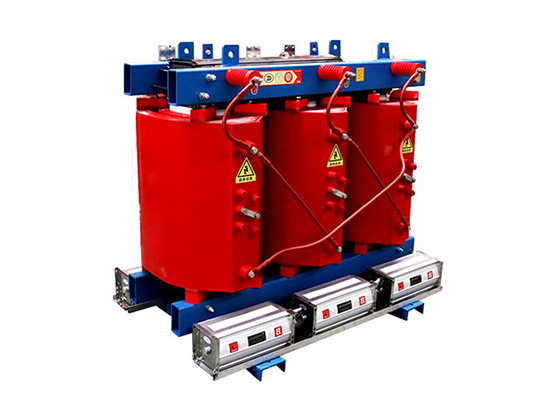
The Advantages of Amorphous Metal Transformers in Electrical Applications
Amorphous metal transformers are an innovative technology in the field of electrical engineering, particularly in power transformer applications. Unlike traditional silicon steel transformers, which have been the industry standard for decades, amorphous metal transformers utilize a unique non-crystalline alloy. This distinction offers several significant advantages, making them increasingly popula
08
2026
/
09