


Understanding Oil-Immersed Transformers: Essential Insights for Power Engineering
Oil-immersed transformers are critical components in the electrical engineering field, particularly within power distribution systems. These transformers are designed to operate with oil as an insulating and cooling medium, which enhances their performance and longevity. Understanding the function and benefits of oil-immersed transformers can help professionals in the industry make informed decisi
23
2026
/
01

Why Amorphous Alloy Dry-Type Transformers are Ideal for Urban Electricity Needs
Introduction to Amorphous Alloy Dry-Type Transformers As urban areas continue to expand and evolve, the demand for reliable, efficient, and environmentally friendly electricity solutions grows. Enter the **Amorphous Alloy Dry-Type Transformer**—a game changer in the field of electrical engineering. These transformers boast a variety of features that make them particularly suited for urban electric
22
2026
/
01

Understanding Amorphous Metal Transformers: A Revolutionary Approach to Energy Efficiency
Amorphous metal transformers represent a transformative technology in the power transformer sector. Unlike traditional silicon-based transformers, these devices utilize an amorphous alloy as their core material. The unique structure of amorphous metals, which lack a long-range order, results in lower energy losses during operation. This characteristic is particularly beneficial in applications whe
21
2026
/
01

The Future of Energy: Innovations in Wind Power Transformers
The Future of Energy: Innovations in Wind Power Transformers Table of Contents 1. Introduction to Wind Power Transformers 2. The Importance of Transformers in Wind Energy Systems 3. Technological Advancements in Wind Power Transformers 4. Innovative Materials Used in Transformer Design 5. The Rise of Smart Transformers in Wind Power 6. Environmental Impact of Modern Transf
20
2026
/
01

Understanding H-Class Insulation Transformers: Essential Insights for Professionals
H-class insulation transformers play a crucial role in the electrical and power transformer industry, particularly when dealing with high-temperature applications. The "H-class" designation refers to the insulation materials that can withstand temperatures up to 180°C. This high thermal resistance is essential for ensuring the longevity and reliability of transformers operating in challenging envi
19
2026
/
01
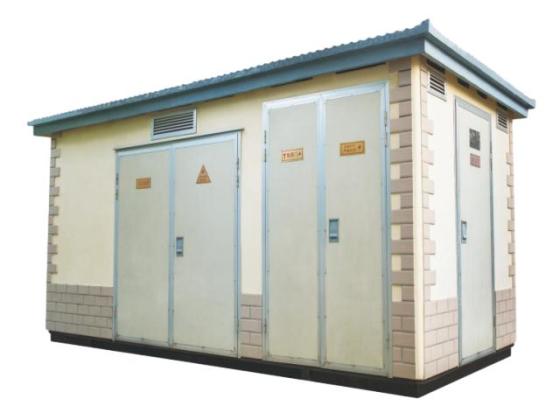
Choosing the Right Low Voltage Transformer for Your Electrical Needs: A Comprehensive Guide
Choosing the Right Low Voltage Transformer for Your Electrical Needs Table of Contents Introduction to Low Voltage Transformers Understanding Low Voltage Transformers Types of Low Voltage Transformers Common Applications of Low Voltage Transformers Key Factors to Consider When Choosing a Transformer Power Rating Voltage Requirements Efficiency
18
2026
/
01