


Understanding the Advantages of Dry-Type Power Transformers
Dry-type power transformers are pivotal components in the electrical engineering sector, serving as crucial devices for electrical energy distribution and conversion. Unlike their oil-filled counterparts, dry-type transformers utilize air as the cooling medium, making them a safer and more environmentally friendly option for various applications. Their construction involves winding the coils in a
13
2025
/
12
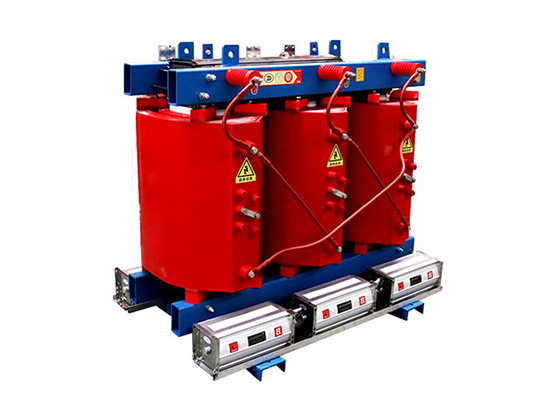
The Future of Electrical Systems: Exploring the Advantages of Resin Insulated Dry-Type Transformers
The Future of Electrical Systems: Exploring the Advantages of Resin Insulated Dry-Type Transformers Table of Contents 1. Introduction to Resin Insulated Dry-Type Transformers 2. Key Benefits of Resin Insulated Dry-Type Transformers 3. Applications of Resin Insulated Dry-Type Transformers 4. Comparing Dry-Type Transformers with Conventional Transformers 5. Recent Technological
12
2025
/
12

Understanding Oil-Immersed Transformers: Key Insights and Benefits
Oil-immersed transformers are a vital component in the electrical industry, especially within the power sector. These transformers operate by immersing the core and windings in a dielectric insulating oil, providing both electrical insulation and cooling for the unit. This unique design contributes to the transformer’s performance and longevity, making them suitable for various applications across
11
2025
/
12

Understanding the Cutting-Edge Technology Behind Amorphous Alloy Dry-Type Transformers
Understanding the Cutting-Edge Technology Behind Amorphous Alloy Dry-Type Transformers Table of Contents 1. Introduction to Amorphous Alloy Dry-Type Transformers 2. What Are Amorphous Alloy Transformers? 3. Advantages of Amorphous Alloy Dry-Type Transformers 4. Applications of Amorphous Alloy Transformers 5. Technological Advancements in Transformer Design 6. Comparison wi
10
2025
/
12
Understanding Amorphous Metal Transformers: A Leap Toward Energy Efficiency
Amorphous metal transformers represent a significant advancement in transformer technology, particularly in the electrical and power industries. Unlike traditional silicon steel transformers, which are made from crystalline materials, amorphous metal transformers utilize a non-crystalline metal alloy. This unique structure allows for reduced energy loss during operation, making them highly efficie
09
2025
/
12

The Advantages of H-Class Insulation Transformers in Power Distribution Systems
The Advantages of H-Class Insulation Transformers in Power Distribution Systems Introduction to H-Class Insulation Transformers In the realm of electrical engineering, transformers play a pivotal role in power distribution. Among the various types of transformers available, H-Class insulation transformers stand out due to their exceptional thermal characteristics and robust performance. This artic
08
2025
/
12